Concrete Block Mould Manufacturing Quality

,Block Mould has been designing and manufacturing custom concrete product moulds since 1993. Each mould is engineered according to the customer’s machine model, production board dimensions, approved product drawing and production requirements.

Our manufacturing process combines application-specific material selection, controlled machining, accurate assembly and final inspection to support reliable mould performance and consistent concrete product dimensions.

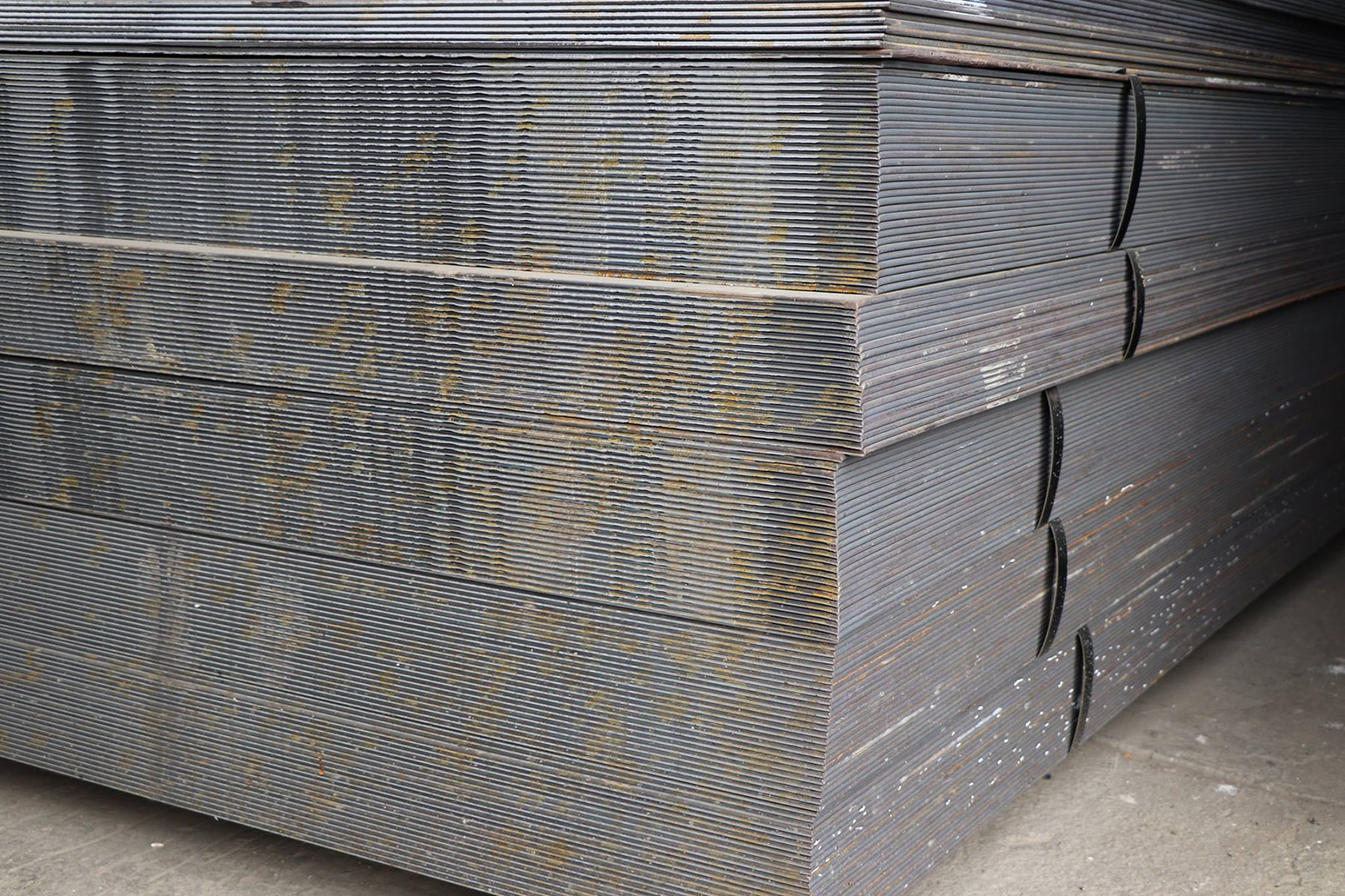
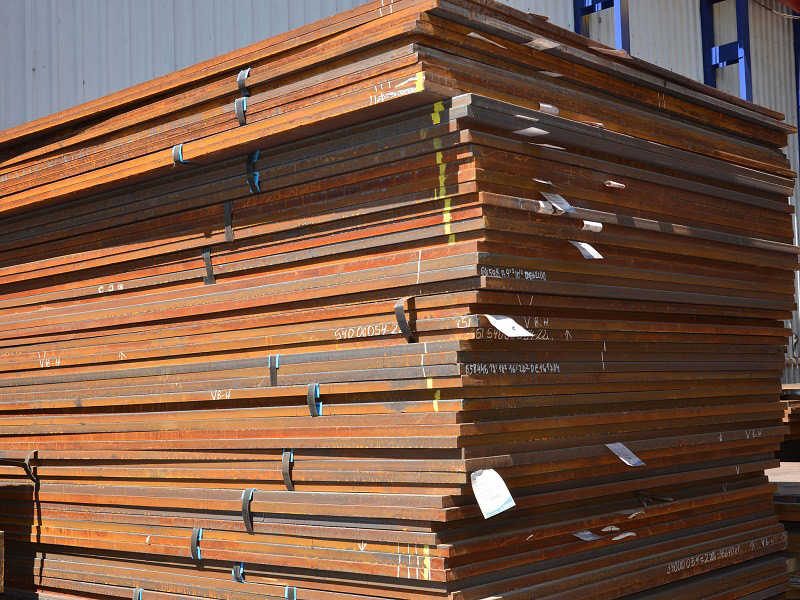
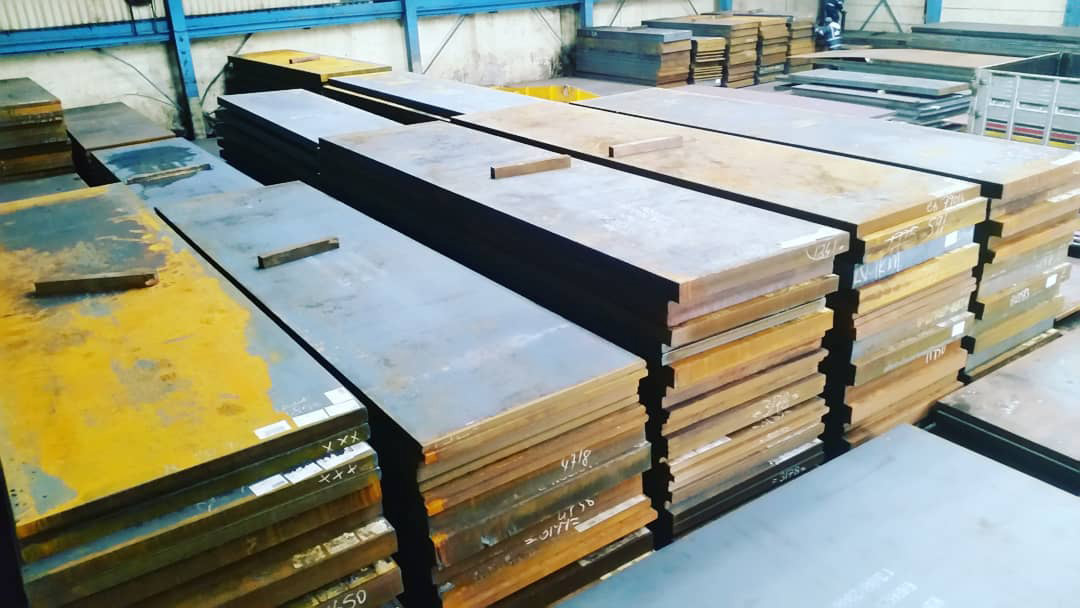
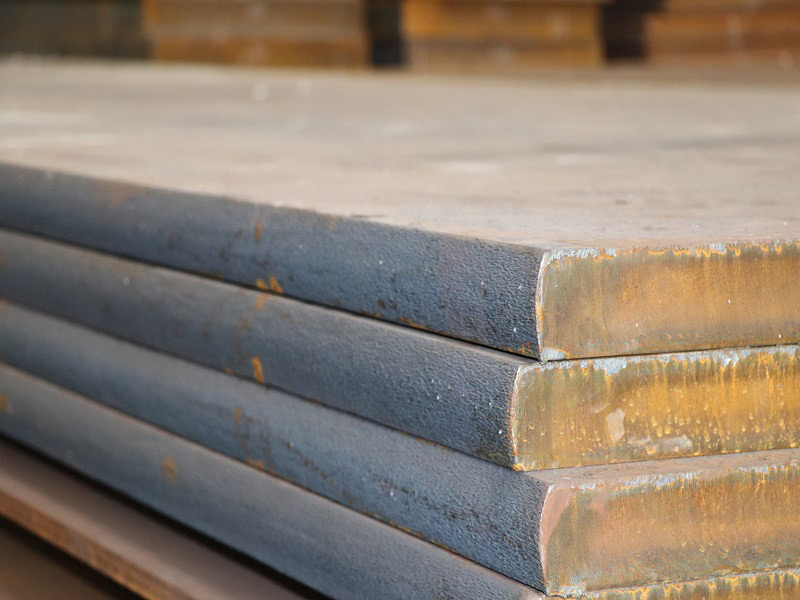
Steel Material Selection at Block Mould

Concrete Block Mould Manufacturing Quality

Block Mould has been designing and manufacturing custom concrete block moulds since 1993. Each mould is engineered according to the customer’s machine brand and exact model, production board dimensions, approved concrete product drawing and specific production requirements.

Our manufacturing process combines application-specific material selection, precision machining, controlled assembly, heat treatment where required, dimensional inspection and final testing. Every production stage is planned according to the mould type, component function and operating conditions.

This structured manufacturing approach helps support reliable mould operation, accurate concrete product dimensions and consistent production performance.

Material Selection and Heat Treatment for Concrete Block Moulds

Block Mould applies different material and manufacturing solutions for hollow block moulds, hourdi block moulds and paving stone moulds. The material grade and production method are selected according to the mould type, concrete product geometry, customer’s machine, expected production capacity, abrasion level and operating conditions.

Material Options for Hollow Block and Hourdi Moulds

Block Mould offers three material and performance options for custom hollow block mould and hourdi mould manufacturing.

Standard Series – S235JR / EN 10025-2 (St37-2 1.0038)

Standard hollow block and hourdi moulds are manufactured using S235JR structural steel, commonly known by its former designation St37-2. This option provides a practical balance between manufacturing cost, structural strength and reliable performance for standard production requirements. S235JR is designated as material number 1.0038 under EN 10025-2. Salzgitter Flachstahl GmbH

Professional Series – S355J2 / EN 10025-2 (St52-3 1.0577)

Professional hollow block and hourdi moulds are manufactured using S355J2 structural steel, formerly known as St52-3. Its higher strength and structural rigidity make it suitable for demanding production conditions, intensive vibration and longer operating cycles. S355J2 is designated as material number 1.0577 under EN 10025-2. distribution.arcelormittal.com

Hardox Series – Hardox® 400, Hardox® 500 or Hardox® 600

For production environments exposed to intensive concrete abrasion, Block Mould manufactures Hardox Series moulds using Hardox® 400, Hardox® 500 or Hardox® 600 wear-resistant steel according to the mould design and operating requirements.

  • Hardox® 400 for applications requiring balanced wear resistance, strength and manufacturability
  • Hardox® 500 for mould components exposed to higher concrete abrasion
  • Hardox® 600 for specially evaluated applications requiring very high wear resistance

Hardox® is a proprietary wear-resistant steel product range manufactured by SSAB. For this reason, Hardox grades should be stated by their original product names rather than presented as direct equivalents of generic international steel grades. SSAB

The appropriate material series is selected according to the concrete product, mould construction, vibration conditions, expected production intensity and customer requirements. Different mould components may be evaluated separately according to their structural and wear functions.

Material and Heat Treatment for Paving Stone Moulds

Paving stone moulds are manufactured using normalized C45E+N steel (Ck45 material number 1.1191 SAE/AISI 1045 JIS S45C). This medium-carbon steel provides the machinability, strength and hardening capability required for precision paving stone mould manufacturing. Ovako lists C45E, 1.1191, SAE 1045 and S45C among corresponding or similar designations for this steel family. Steel Navigator

After precision machining, the female mould and the male mould, also known as the tamper head, are subjected to separate controlled hardening processes. A working-surface hardness of 57–62 HRC is achieved to increase resistance against concrete abrasion and repeated production cycles.

Separate heat treatment of the female and male mould components supports:

  • High resistance to concrete abrasion
  • Stable paving stone geometry
  • Accurate operating clearances
  • Consistent concrete product dimensions
  • Longer mould service life

The final material condition, heat-treatment process and hardness requirements are determined according to the paving stone geometry, mould design, component dimensions, machine connection details and production conditions.

By applying different material and heat-treatment solutions for each mould type, Block Mould manufactures custom hollow block moulds, hourdi moulds and paving stone moulds according to the customer’s production requirements.

Precision Machining and Manufacturing

Precision Machining of Concrete Block Mould Components

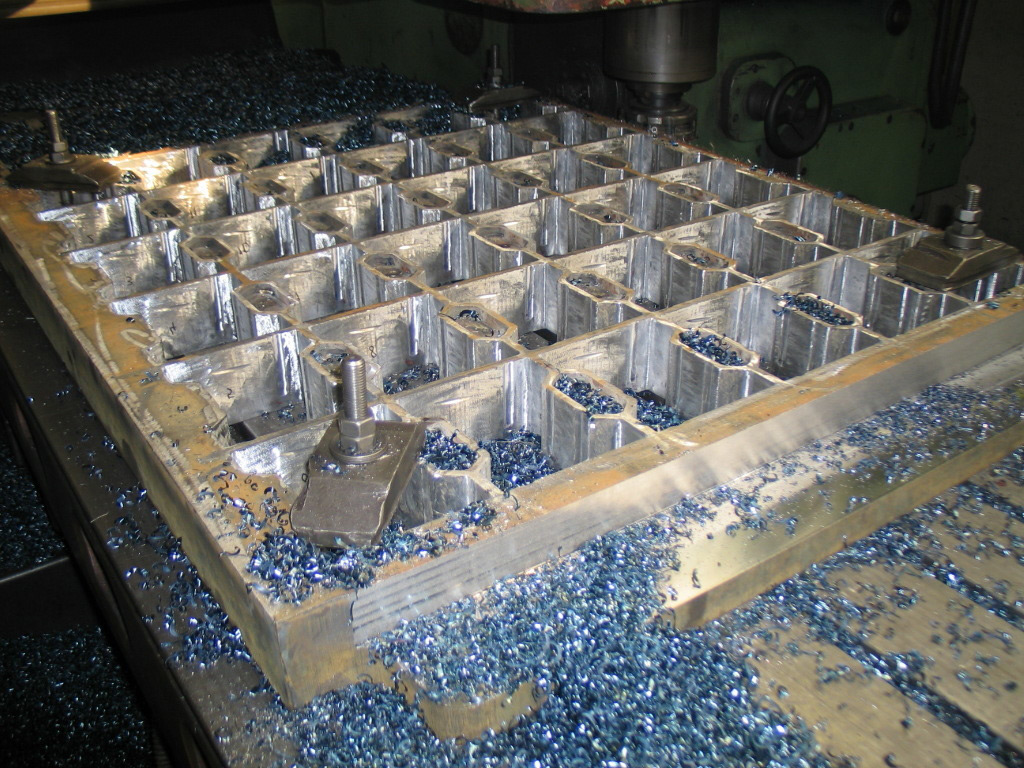
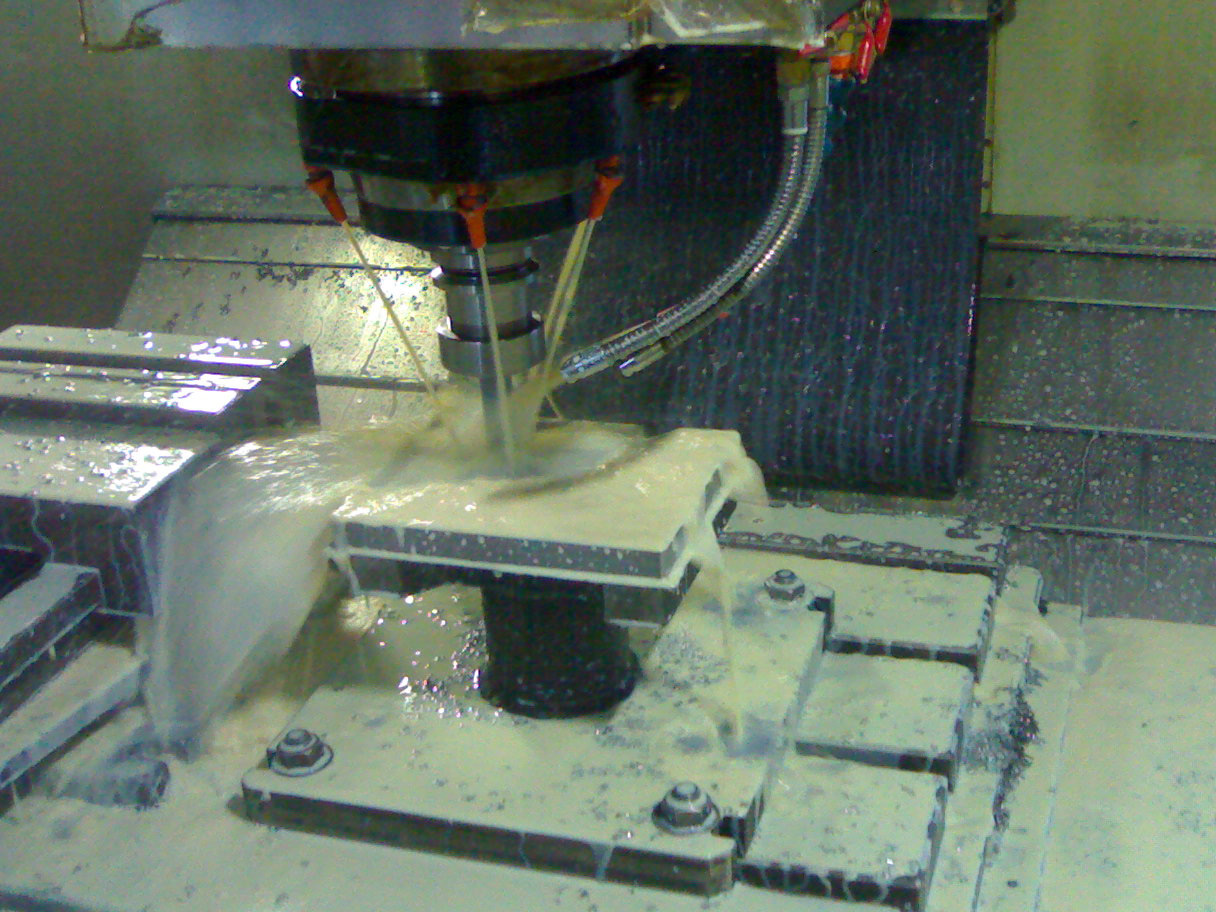
After material selection, each concrete block mould component is manufactured according to the approved technical drawing and the specific requirements of the customer’s machine.

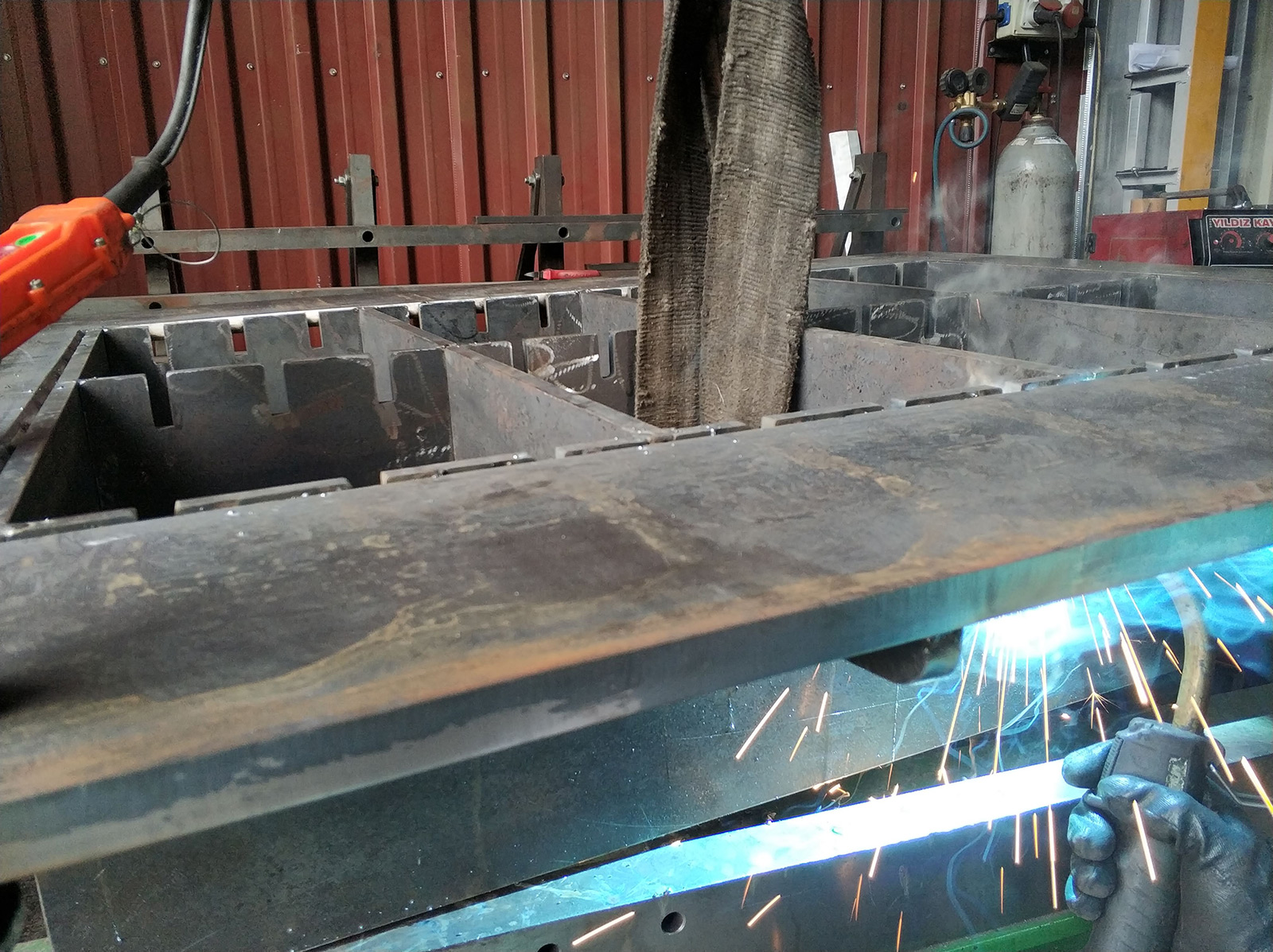
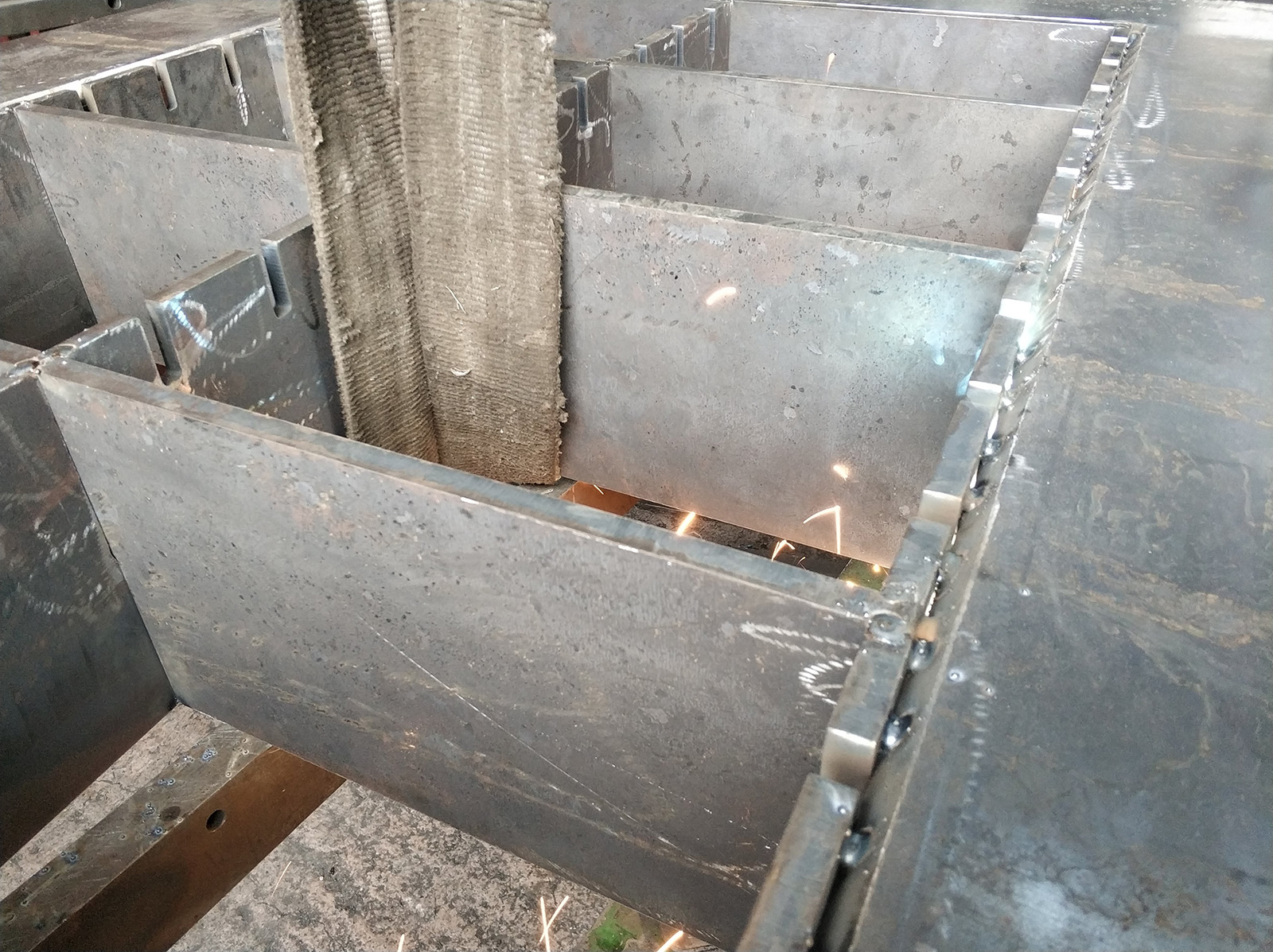
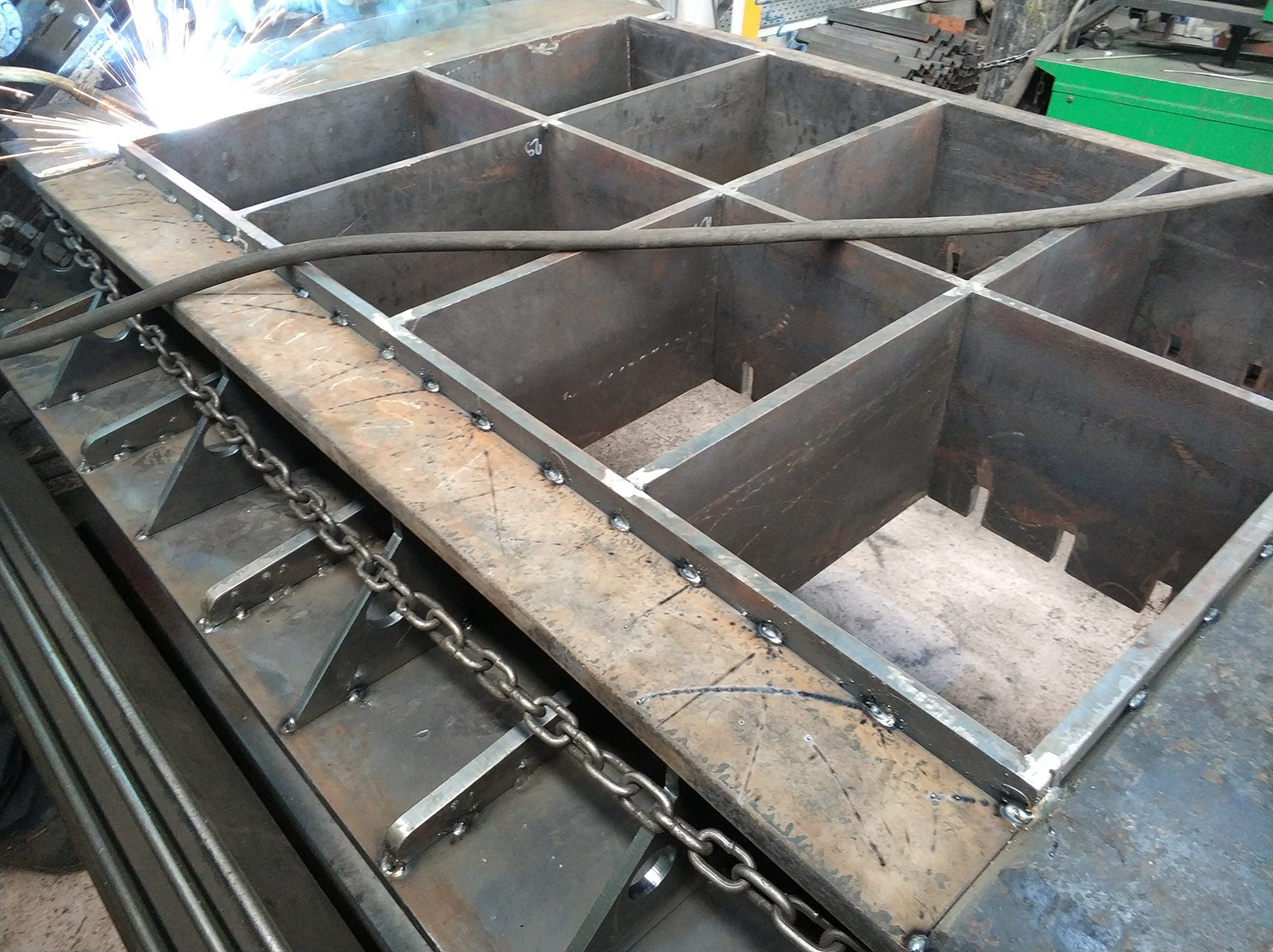
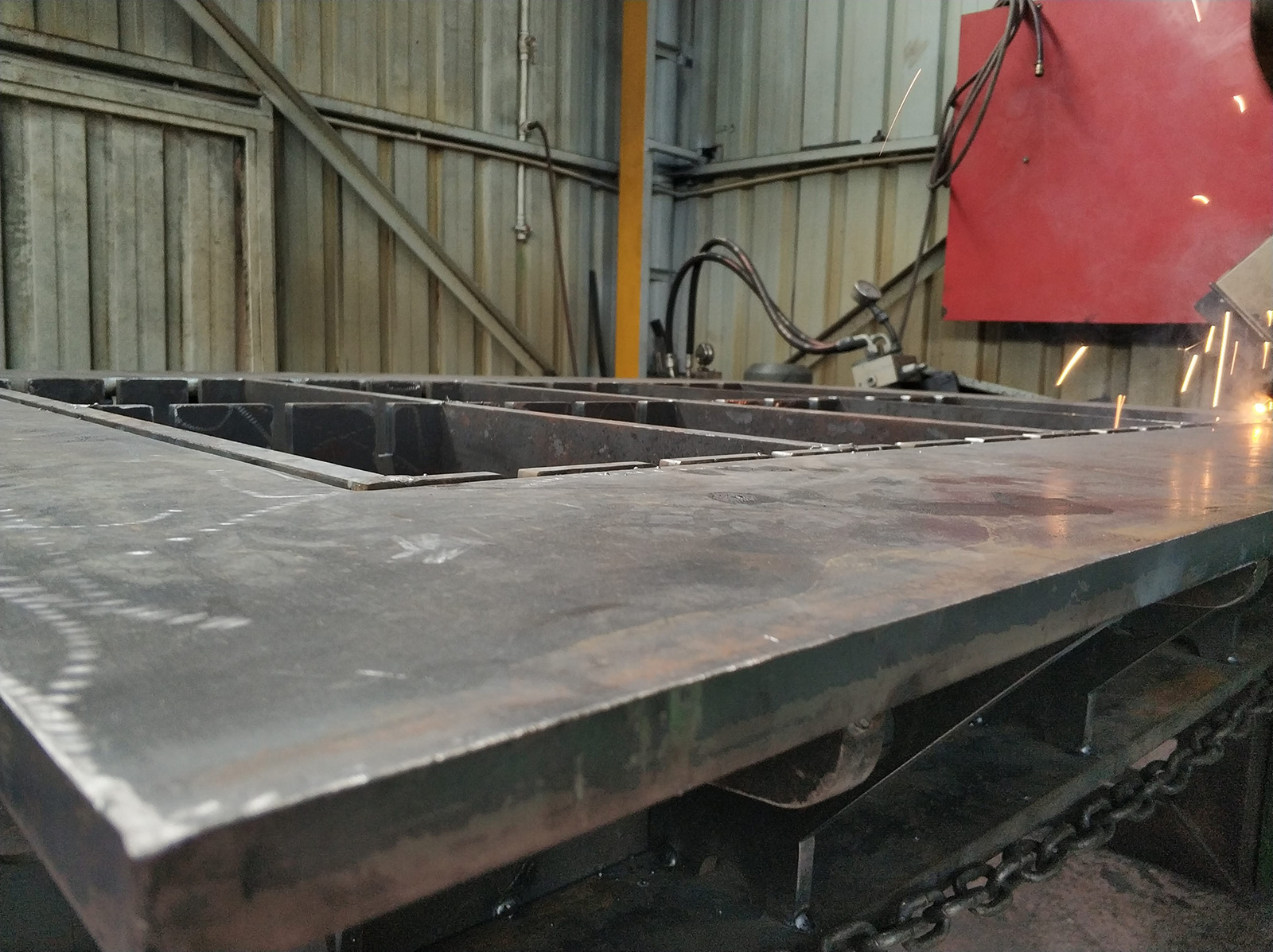
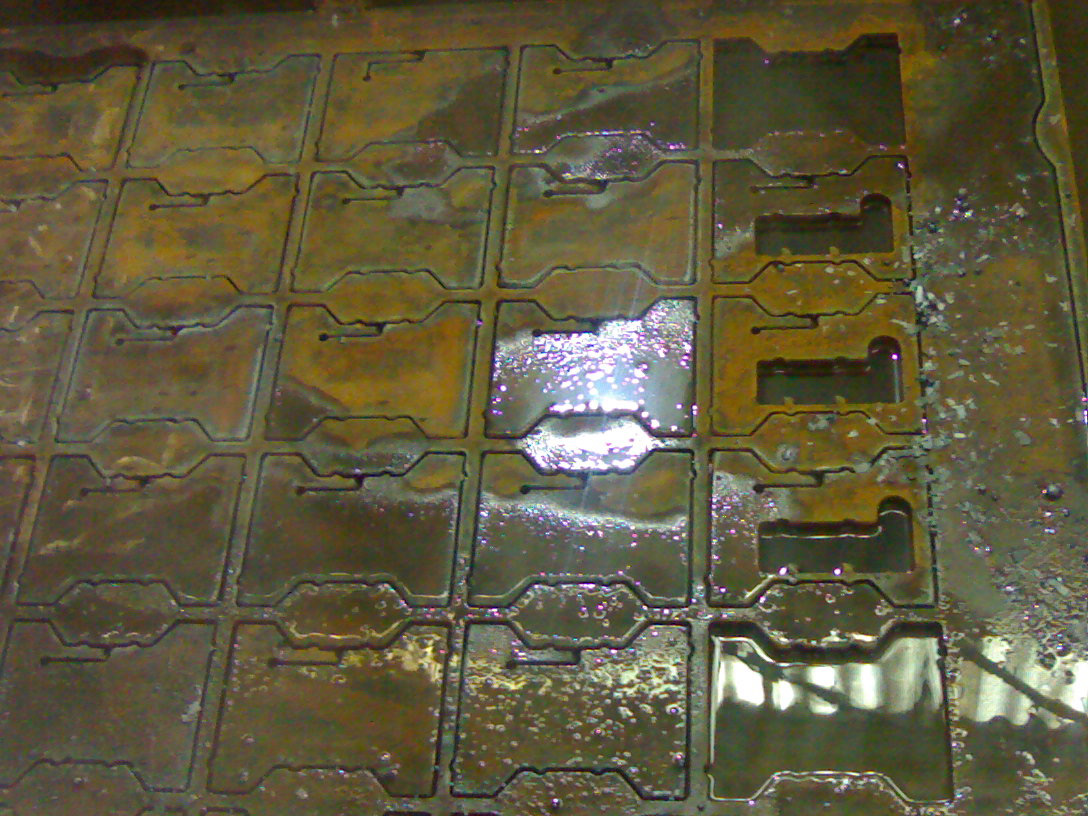
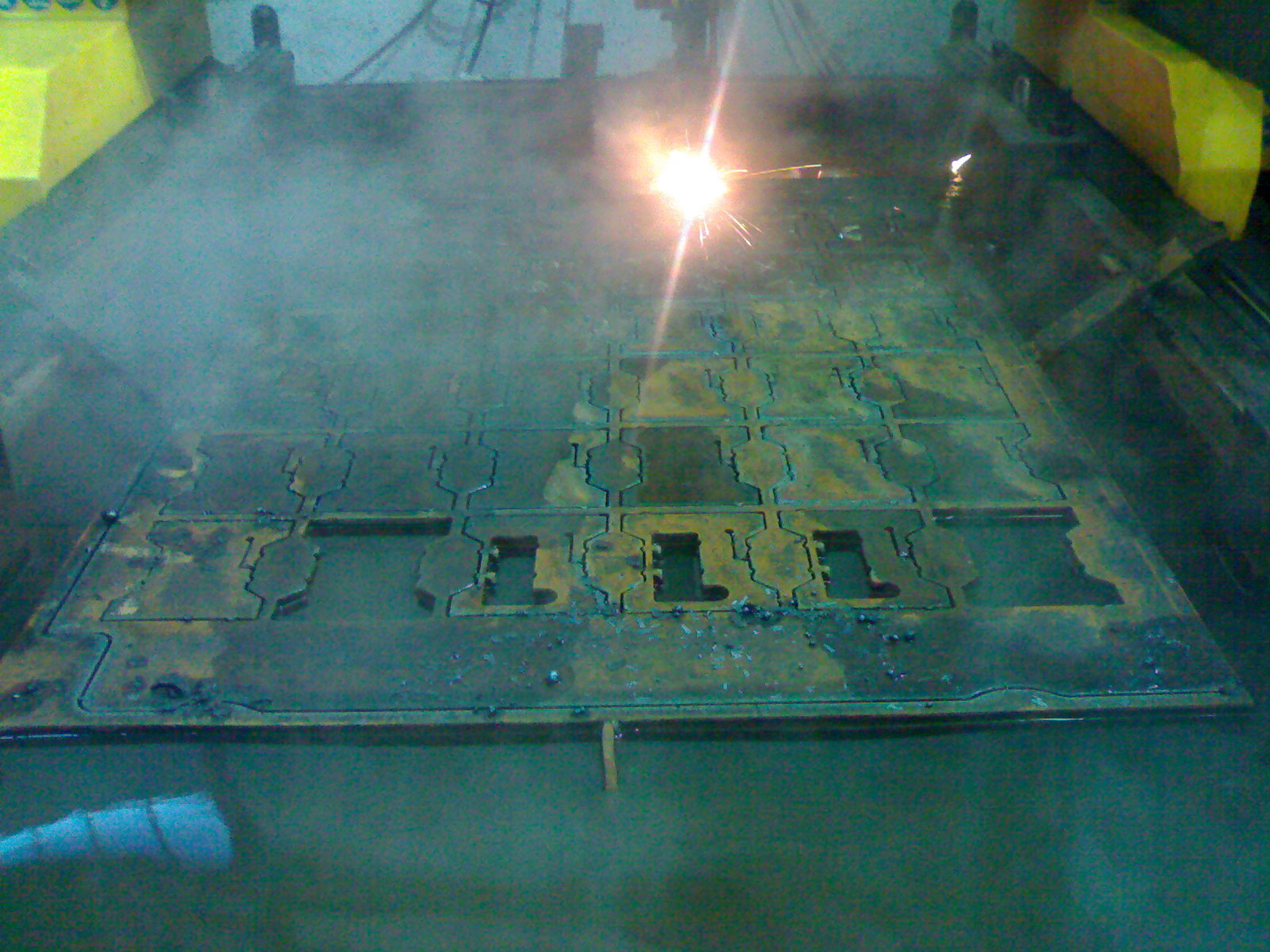
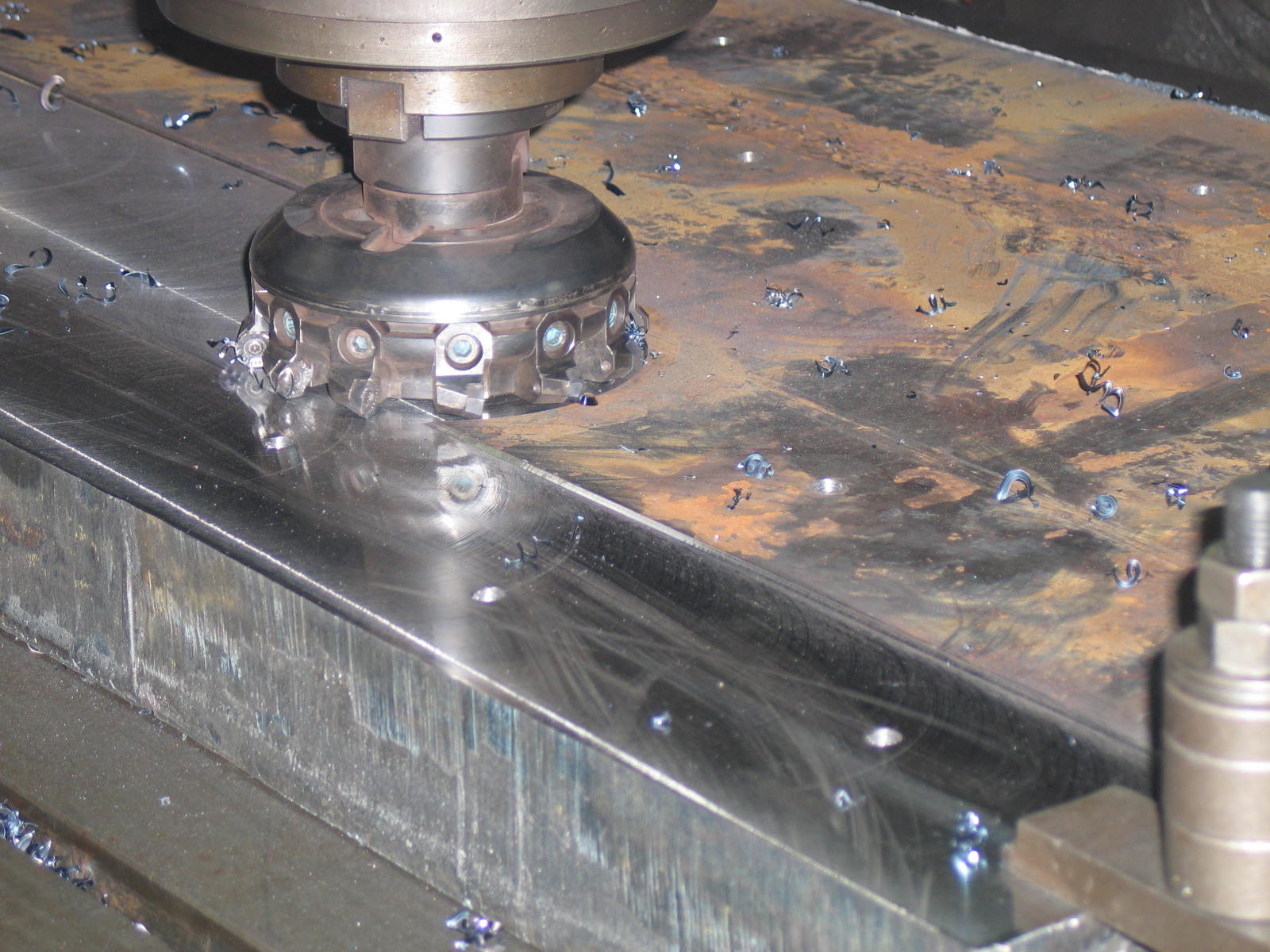
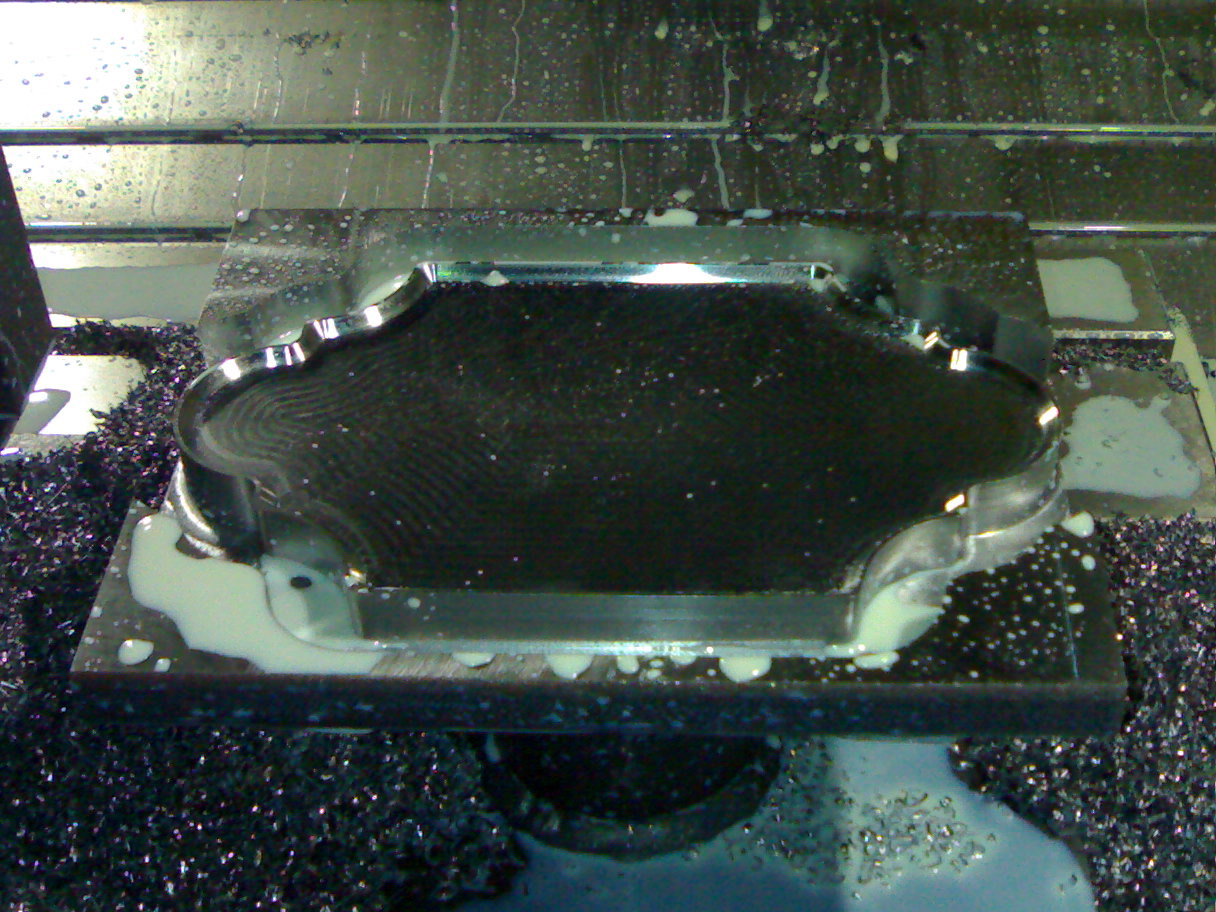
CNC cutting, drilling, milling, boring and grinding operations are carried out according to the dimensions and manufacturing requirements of each component. Special attention is given to mould cavities, dividers, tamper shoes, connection points and moving parts because dimensional errors in these areas may affect product dimensions, concrete filling and mould operation.

During machining and manufacturing, the following details are controlled:

  • Component dimensions and material thicknesses
  • Mould cavity geometry
  • Tamper shoe dimensions and operating clearances
  • Machine connection and mounting points
  • Parallelism and surface alignment
  • Compatibility between moving mould components

Machined components are inspected before assembly. Parts that do not meet the required dimensions are corrected before the mould proceeds to the next manufacturing stage.

This controlled process helps support accurate mould assembly, stable operation and consistent concrete product dimensions.

Assembly and Component Fit

Mould Assembly and Component Alignment

After machining and inspection, the mould components are brought together according to the approved technical drawing and assembly plan.

Correct component fit is essential for stable mould operation, accurate product geometry and reliable movement during vibration and pressing. Special attention is given to the alignment of the female mould, male mould, tamper shoes, guide elements, connection points and supporting structures.

During assembly, the following details are controlled:

  • Position and alignment of mould components
  • Fit between female and male mould parts
  • Operating clearances of moving components
  • Parallelism of upper and lower mould sections
  • Machine connection and mounting dimensions
  • Welded joints and structural support points

Necessary corrections are completed before final welding and finishing operations. Components are assembled in a controlled sequence to reduce dimensional deviation and support consistent mould performance.

This careful assembly process helps ensure accurate movement, reliable machine compatibility and stable concrete product dimensions during production.

Inspection, Testing and Quality Control

Inspection and Quality Control of Concrete Block Moulds

After assembly, each concrete block mould is inspected according to the approved technical drawing, machine connection details and project requirements.

Dimensional inspection and functional checks are carried out to verify that the female mould, male mould, tamper components, guide elements and connection points operate together correctly. Particular attention is given to the areas that may affect product dimensions, mould movement and machine compatibility.

During quality control, the following details are checked:

  • Overall mould dimensions
  • Mould cavity and product dimensions
  • Female and male mould alignment
  • Operating clearances and moving-part compatibility
  • Parallelism and surface alignment
  • Machine connection and mounting dimensions
  • Welded joints and visible manufacturing quality
  • Replaceable wear-part positioning

Where applicable, the assembled mould is operated on a test system to evaluate movement, alignment and component compatibility before painting and shipment.

Any detected deviations are corrected before the mould is approved for the final production stage. This controlled inspection process helps reduce installation problems and supports reliable mould performance at the customer’s production facility.

Final Finishing, Painting and Shipment Preparation

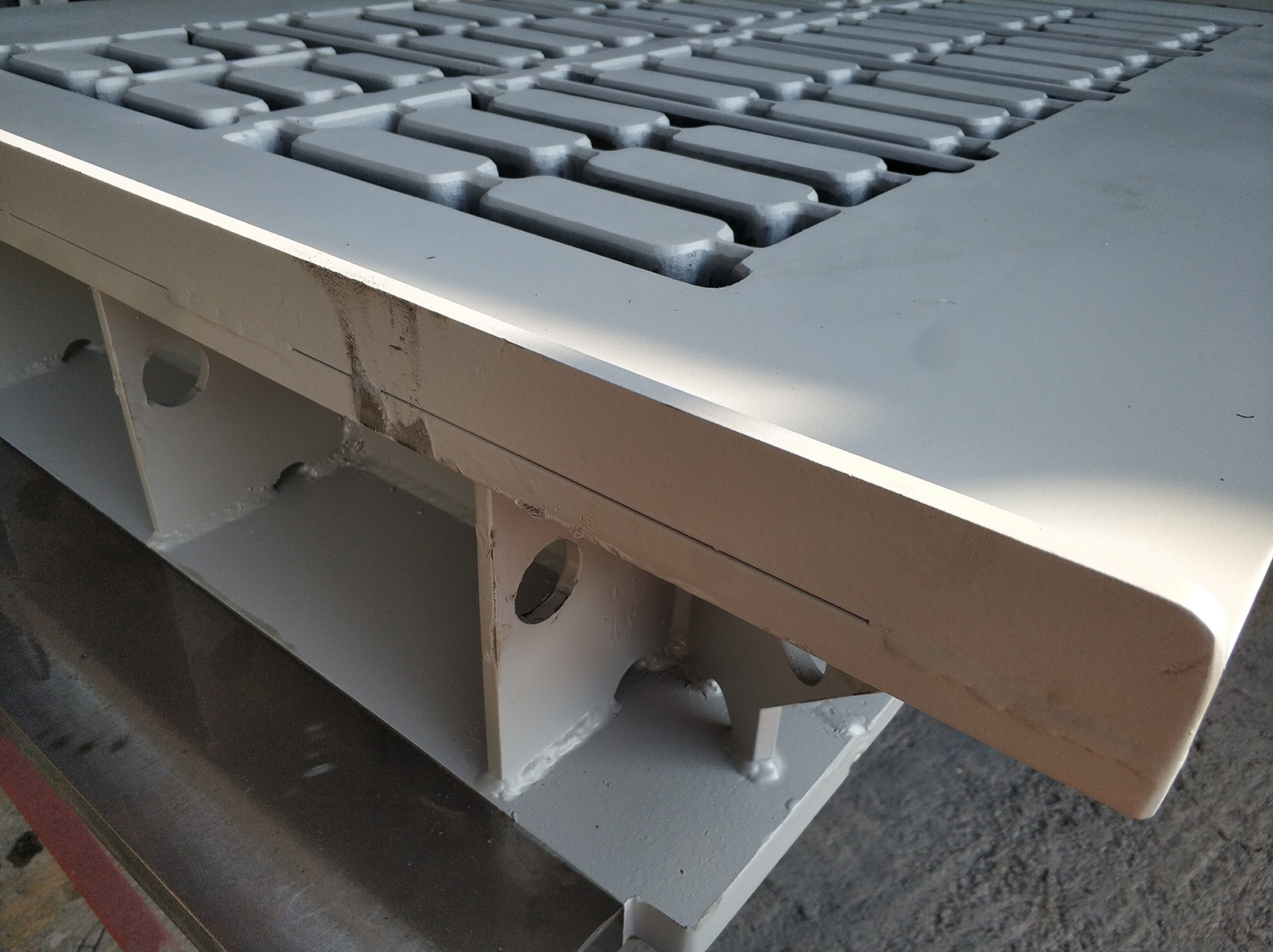
Painting and Final Finishing of Concrete Block Mould

After the mould passes dimensional inspection and functional testing, it proceeds to the final finishing stage.

The mould surfaces are cleaned and prepared before painting. Protective coating is then applied to suitable external surfaces to help protect the mould during storage, handling and transportation. Machined working surfaces, operating clearances and connection areas are protected according to their function.

Before shipment, the following details are reviewed:

  • Final visual condition of the mould
  • Protection of machined and working surfaces
  • Cleanliness of mould cavities and moving components
  • Identification of separate mould parts
  • Machine connection details
  • Inclusion of approved project documents
  • Packaging and lifting requirements

The completed mould is prepared for safe handling and shipment according to its size, weight and destination. Necessary protection is applied to reduce the risk of damage during loading and transportation.

This final preparation process helps ensure that the custom concrete block mould arrives at the customer’s production facility clean, protected and ready for installation.

Custom Concrete Block Moulds Designed for Production Performance

Custom Concrete Block Moulds Performance

A concrete block mould must do more than match the required product shape. It must also operate reliably with the customer’s machine, maintain correct product dimensions and support stable production under repeated vibration and pressing cycles.

Block Mould designs each custom concrete block mould according to the technical requirements of the project. Machine compatibility, production board dimensions, concrete product geometry, mould height, cavity arrangement, material selection and operating conditions are evaluated together before manufacturing begins.

Our project-based mould development process focuses on:

  • Compatibility with the customer’s machine brand and exact model
  • Accurate concrete product geometry and dimensions
  • Suitable material and heat-treatment selection
  • Stable movement between female and male mould components
  • Controlled operating clearances
  • Replaceable wear-part requirements
  • Practical maintenance and repair considerations
  • Reliable operation under the specified production conditions

A technical drawing is prepared for each project and submitted for customer approval before production. This approval process helps confirm the product dimensions, mould layout and machine connection details before manufacturing begins.

Send us your machine details, production board dimensions and concrete product drawing to receive a custom concrete block mould quotation.

Technical Support, Spare Parts and After-Sales Service

Technical Support and Spare Parts for Concrete Block Moulds

Reliable mould performance depends not only on manufacturing quality but also on correct installation, operation, maintenance and timely replacement of wear components.

Block Mould provides project-based technical support for custom concrete block moulds, hollow block moulds, hourdi moulds and paving stone moulds. When technical assistance is required, the mould design, machine details, operating conditions and reported issue are evaluated together.

Our after-sales support may include:

  • Technical guidance for mould installation and machine connection
  • Review of operating clearances and component movement
  • Evaluation of product dimension or production problems
  • Identification of worn or damaged mould components
  • Supply of suitable spare and replacement parts
  • Repair and modification assessment
  • Review of customer photographs, videos and measurements
  • Technical recommendations for maintenance and storage

For faster technical evaluation, customers should provide the machine brand and model, mould identification, product drawing, photographs, videos and detailed measurements related to the issue.

Each service, repair or modification request is evaluated according to the mould condition, technical feasibility and production requirements. Necessary work and commercial conditions are confirmed before any repair or replacement process begins.

This structured support process helps customers identify problems more quickly, reduce unnecessary production interruptions and protect the long-term performance of their concrete block mould investment.

Contact Block Mould with your mould details and technical information to request spare parts, repair evaluation or after-sales support.

Request a Custom Mould Quotation

Every concrete block mould project begins with a technical evaluation of the customer’s machine and product requirements.

To prepare an accurate mould proposal, please provide:

  • Machine brand and exact model
  • Production board dimensions
  • Concrete product drawing and dimensions
  • Required product height
  • Number of mould cavities, if already determined
  • Photographs of the existing mould or machine connection points
  • Expected production conditions and special requirements

After reviewing the supplied information, Block Mould evaluates the mould design, material option, manufacturing method and technical feasibility of the project.

A technical drawing is prepared for customer approval before production. Manufacturing begins only after the product dimensions, mould layout and machine connection details have been confirmed.

Send your project details to Block Mould and request a custom concrete block mould quotation.

Block Mould has been designing and manufacturing custom concrete product moulds since 1993. We produce moulds for concrete blocks, hollow blocks, paving stones, curb stones, grass pavers, slabs, retaining wall blocks and special concrete products for different machine brands worldwide.
Block Mould Official Website. Block Mould is a Brand of Block Group. Unauthorized copying or use of information and images on the web page is prohibited
2020 Developed By Turkuaznet İnternet ve Bilişim Hizmetleri